
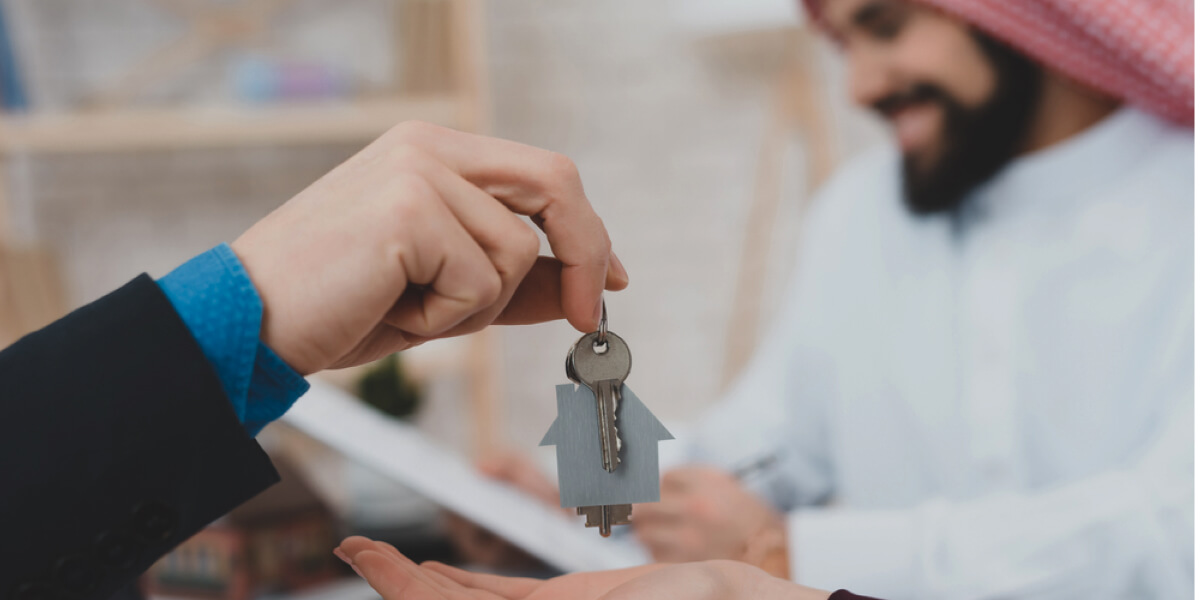
An Islamic Home Loan is becoming one of the most sought-after financial solutions for people who want to own a home while strictly following ethical and faith-based principles. Unlike conventional mortgages that rely on interest, an Islamic Home Financing operates under Shariah-compliant structures that avoid riba and promote fairness between the buyer and the lender. As housing costs rise and awareness about ethical finance grows, more individuals are turning toward an Islamic Home Financing as a transparent and responsible way to achieve homeownership.
The concept of an Islamic Home Financing is built around partnership, trade, and shared risk rather than profit from interest. This system aligns financial growth with moral responsibility, which is why many families feel secure choosing an Islamic Home Financing over traditional bank mortgages. The growing global demand for interest-free financing has made Islamic Home Financing solutions more accessible than ever before, even in countries where Islamic banking was once rare.
Today, the Islamic Home Financing market is expanding rapidly as financial institutions develop products that comply with Shariah while still meeting modern housing needs. Whether you are purchasing your first home or upgrading to a new property, an Islamic Home Financing provides a practical alternative that ensures peace of mind, financial stability, and ethical alignment.
Understanding the Concept of Islamic Home Loan
An Islamic Home Loan differs fundamentally from conventional housing finance because it does not involve interest. Instead, the lender and the buyer enter into a trade-based or partnership-based agreement. In an Islamic Home Loan structure, the bank either purchases the property and sells it to the client at a profit or becomes a co-owner and gradually transfers ownership. This ensures that both parties share risk and responsibility, which is a core principle of Islamic finance.
The ethical foundation of an Islamic Home Financing is transparency and fairness. The total cost, repayment schedule, and ownership terms are clearly stated from the beginning. There are no hidden charges or fluctuating interest rates that can trap borrowers in long-term debt. This clarity makes an Islamic Home Financing more stable and predictable than conventional mortgages.
By avoiding speculation and excessive uncertainty, an Islamic Home Financing protects both the buyer and the lender from unfair practices. This model ensures that housing finance remains a means of social stability rather than a source of financial stress.
Why Islamic Home Loan is Gaining Popularity
The global rise in demand for ethical finance has made the Islamic Home Financing a preferred choice for many homebuyers. People are becoming more aware of the long-term burden caused by interest-based loans, which often lead to financial instability. An Islamic Home Loan, on the other hand, promotes shared risk and social responsibility.
Another reason for the popularity of an Islamic Home Financing is its compatibility with faith-based values while still functioning within modern financial systems. Banks offering Islamic Home Financing products now operate in many countries, making it easier for people to choose this alternative without compromising convenience.
The transparency and fairness offered by an Islamic Home Financing also appeal to non-Muslims who prefer ethical financial practices. This growing acceptance is driving innovation in Islamic banking and encouraging more institutions to offer Shariah-compliant housing solutions.
Key Structures Used in Islamic Home Loan
An Islamic Home Loan can be structured in several ways depending on the agreement between the bank and the client. One common method is Murabaha, where the bank buys the property and sells it to the buyer at an agreed profit. The buyer then pays in installments without any interest.
Another popular model is Musharakah, a partnership-based Islamic Home Financing where both parties jointly purchase the property. Over time, the buyer buys out the bank’s share until full ownership is achieved. This method emphasizes shared risk and cooperation.
Ijara is another structure where the bank leases the property to the buyer. A portion of each payment contributes to ownership. These models ensure that an Islamic Home Financing remains fully compliant while still offering flexibility.
Benefits of Choosing Islamic Home Loan

One of the greatest advantages of an Islamic Home Financing is peace of mind. Borrowers know their financing method is ethical and transparent. This emotional and spiritual satisfaction is often just as important as the financial benefits.
An Islamic Home Loan also provides predictable payments, making budgeting easier. Since profit margins are fixed, there is no risk of sudden increases due to interest rate changes.
Additionally, an Islamic Home Financing encourages responsible financial behavior. It promotes fairness, social responsibility, and long-term stability for families and communities.
Challenges Associated with Islamic Home Loan
Despite its benefits, an Islamic Home Financing also faces challenges. Limited availability in some regions can make it difficult for people to access Shariah-compliant options.
Another challenge is lack of awareness. Many potential buyers still do not fully understand how an Islamic Home Loan works and assume it is more expensive.
Regulatory differences across countries can also affect how Islamic Home Financing products are structured and taxed, which may create complexity for lenders and borrowers alike.
Comparing Islamic Home Loan with Conventional Mortgage
An Islamic Home Loan focuses on ethical trade and partnership, while conventional mortgages rely on interest-based debt. This fundamental difference affects how risk and profit are shared.
In an Islamic Home Financing, the lender is directly involved in the property, which aligns their interests with the buyer. In contrast, traditional banks profit regardless of the borrower’s financial condition.
This makes an Islamic Home Loan a more socially responsible and sustainable option for long-term housing finance.
The Role of Shariah Compliance in Islamic Home Loan
Shariah compliance ensures that every Islamic Home Financing follows ethical guidelines. Scholars review contracts to make sure there is no exploitation or hidden interest.
This religious oversight adds credibility and trust to Islamic Home Financing products, making them reliable and transparent for customers.
Economic Impact of Islamic Home Loan
The growth of Islamic Home Financing solutions contributes to financial inclusion. It allows people who avoid interest-based systems to participate in the housing market.
This inclusion strengthens communities and promotes economic stability through ethical investment.
Future of Islamic Home Loan
The future of Islamic Home Financing is promising. With growing awareness and technological innovation, more institutions are offering Shariah-compliant housing finance.
As demand increases, competition will lead to better services, lower costs, and wider access to Islamic Home Financing options worldwide.